


Choosing a baby name sounds simple until two people bring completely different lists to the conversation. One parent wants something familiar, another wants a name that feels distinctive, and suddenly a short list becomes a long evening of searching. Baby Name Together is built for that shared decision-making moment: it is a free parenting app from Linkinet that helps couples explore baby names and narrow down their preferences.
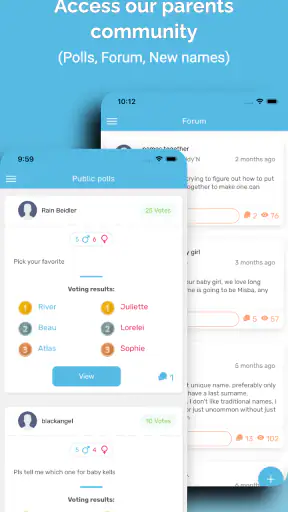
I found its appeal less in treating names like a serious research project and more in making the process feel collaborative. Instead of passing one phone back and forth or sending screenshots of names, you can use the app as a common starting point. It is aimed at people who want inspiration and an easier way to compare reactions, rather than parents who already have a carefully researched shortlist.
How the app fits into the naming process
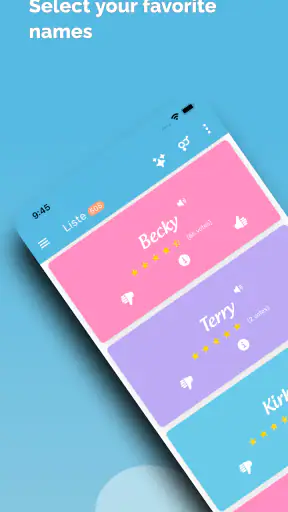
The basic idea is approachable. You open the app when you are looking for name inspiration, browse through possibilities, and use those discoveries to work out what you and your partner actually like. That sounds modest, but it addresses a real problem: many naming tools are designed for one person scrolling through a large database, while the final choice usually involves more than one opinion.
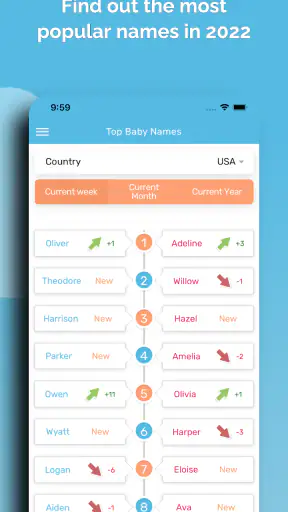
Its store summary focuses on finding unique and popular names, which gives the app a useful middle ground. You are not limited to obscure suggestions, but you also do not have to stay with the most familiar choices. In practice, that makes it suitable for the early and middle stages of naming, when you are still discovering your taste and testing whether a name feels right outside the moment you first see it.
I would not treat it as a complete naming authority. A baby-name app can suggest possibilities, but it cannot tell you whether a name works with your surname, how relatives will react, or whether its pronunciation will be obvious in your community. Those decisions still need human judgment. What the app does well is give that judgment more material to work with.
A useful way to use it with a partner
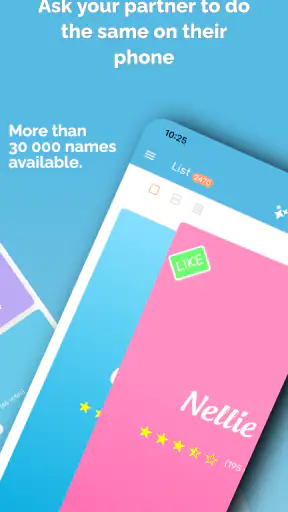
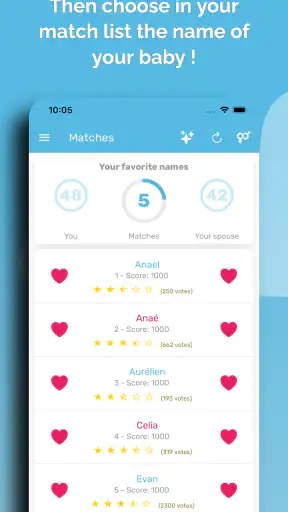
My preferred approach would be to use it during a short, relaxed session rather than trying to finish the entire naming process in one sitting. Each person can react to names independently, then you can compare the overlap. That avoids a common trap in couple-based naming: one person immediately dismissing a suggestion before the other has had time to explain why it matters.
A practical workflow is to begin broadly, keep track of names that create a positive reaction, and then leave the app for a second round of real-world checks. Say the names aloud with the surname, write the initials down, and consider how the name might sound on both a child and an adult. The app is most helpful at the discovery stage; the final evaluation belongs outside it.
Another useful tip is to separate “interesting” from “usable.” A name can be memorable without being a serious contender. Keeping those categories mentally separate prevents a dramatic suggestion from taking over your shortlist simply because it stood out during browsing. This is one of the better ways to get value from a large name collection without feeling overwhelmed by it.
What the free price means in practical terms
The app is free to download and use, which makes it easy to try before deciding whether it belongs in your naming routine. That matters here because personal taste is unpredictable. A tool that looks perfect in a store listing may not suit the way you and your partner make decisions, so free access lowers the risk of testing it.
There are in-app purchases priced from $1.99 to $7.99 per item. I would therefore approach the paid options as optional enhancements rather than assuming they are necessary for the basic experience. The important distinction is that you can begin without paying, while the extra purchases may appeal to someone who wants more from the app after trying its free portion.
Because the purchase amounts cover a range rather than one single upgrade, I would check the individual purchase description before spending money. Do not buy simply because you have reached decision fatigue. First ask whether the extra content or capability solves a problem you actually have. If your shortlist is already taking shape, paying may add little. If you are still searching and the free material feels too narrow, an optional purchase could be easier to justify.
This is also why I would avoid comparing it with a paid naming book as though they offer exactly the same value. A book gives you a fixed editorial selection and often more background to each name. This app gives you a quicker, more interactive way to browse. The free entry point is its clearest financial advantage, while the paid items make the overall value depend on how far you want to take the experience.
Where the experience is genuinely useful
The strongest use case is a couple who keeps sending each other names but never knows which ones are mutual favorites. A shared browsing routine can turn scattered suggestions into a conversation. Instead of asking, “Do you like this one?” dozens of times, you can look at a wider range and notice patterns: whether you prefer short names, traditional choices, unusual spellings, or names with a particular sound.
It can also help when one parent has no ideas. That person may not be ready to propose a name, but reacting to suggestions is easier. A name list can reveal preferences indirectly. Someone who rejects long names may consistently respond to compact ones; someone who says they dislike unusual choices may still favor distinctive names with familiar pronunciation.
The app is equally useful for parents who have narrowed their choices too early. Familiar names can feel safe, but browsing beyond the first obvious options may uncover a candidate that fits the family better. I would use it as a way to challenge an initial shortlist, not as a replacement for that shortlist.
It may also suit grandparents or friends who are invited into the process, although I would be selective about that. More opinions can create more noise. The app is most effective when the people making the final decision use it together and treat outside suggestions as optional rather than allowing every reaction to reset the shortlist.
Limitations that affect the decision
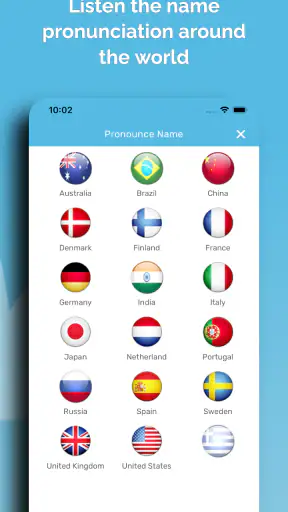
The biggest limitation is that name discovery is not the same as name evaluation. A list can show you possibilities, but it does not automatically account for your surname, family history, cultural context, or the practical experience of living with the name. You still need to investigate pronunciation, spelling, initials, and associations yourself.
There is also a risk of endless browsing. Baby names are an unusually personal subject, so every new suggestion can feel like a reason to reopen the discussion. I recommend setting a stopping point before you start: for example, decide that once you have a manageable shortlist, you will move to speaking the names aloud and discussing them offline. Without that boundary, more options may make the decision harder rather than easier.
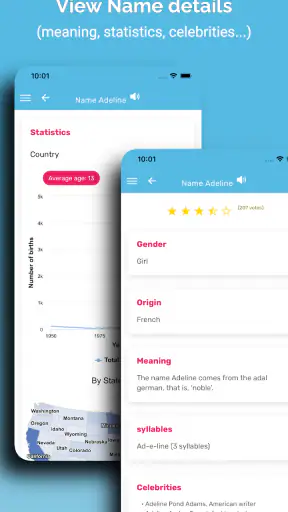
The app is less compelling for someone who wants detailed explanations behind every name. If your priority is etymology, historical usage, regional context, or a deep analysis of pronunciation, a dedicated reference source will probably serve you better. A general name browser is convenient, but convenience should not be mistaken for comprehensive research.
I would also be cautious about treating popularity as a recommendation. A popular name may feel familiar and easy to use, while a less common name may better match your family’s preferences. The useful question is not whether a name is objectively better, but whether it works for your child, your surname, and the life you imagine. The app can widen the field; it cannot settle that judgment.
Compatibility and everyday practicality
The app is intended for Android users running version 8.0 or later, so owners of older devices should check their system before planning around it. It is listed for everyone, which fits the subject matter and makes it appropriate for general family use. I would still keep the naming conversation adult-led, since the app is a tool for a major family decision rather than a game for children.
The current version is 4.1.0, and the app has been available since August 15, 2014. That long presence gives it a different feel from a brand-new naming experiment: it is an established parenting app rather than a temporary trend. Linkinet is the developer, and the app has reached over one million installs with a 4.2 average from around 6,800 ratings. Those figures suggest that the concept has found a substantial audience, although popularity alone cannot tell you whether its style matches your needs.
One practical question is whether it will replace your other naming resources. I do not think it needs to. I would use it for fast inspiration, then use notes, conversations, and independent research for the serious filtering. That combination is stronger than relying on any single source, especially when the final choice has emotional and practical consequences.
Who should try it first
I would recommend starting with it if you and your partner have very different tastes, if one of you needs visual or quick-fire inspiration, or if your current shortlist feels repetitive. It is also a sensible choice when you want to explore names casually without committing to a paid resource at the outset.
It is especially useful for couples who communicate better by reacting than by creating ideas from nothing. Browsing can expose preferences that are difficult to describe in the abstract. A person may not be able to say what style they want, but they can recognize it when several examples appear together.
On the other hand, I would skip it as your main tool if you already have a firm shortlist, need extensive background information, or prefer a carefully edited reference book. It is also not the right answer if more options tend to increase your anxiety. In that situation, a simple shared note with a strict limit may be more effective than opening another source of names.
My buying recommendation
For me, the free starting point makes Baby Name Together easy to recommend as an experiment. You can see whether its approach helps you and your partner before spending anything, and the subject is personal enough that trying the workflow matters more than reading a feature list. The optional purchases from $1.99 to $7.99 deserve a more cautious decision: pay only if a specific extra genuinely improves your search.
I would not buy blindly, and I would not expect the app to provide the final answer. Its value is in creating a shared space for discovery, especially when two people are struggling to move from vague preferences to a workable shortlist. Used with a surname check, spoken tests, and a little independent research, it can make the process less scattered.
My verdict is to try it for free, use it with a clear stopping point, and treat paid items as optional rather than essential. It is a practical parenting app for opening up the conversation, not a substitute for the thoughtful discussion that choosing a child’s name ultimately requires.


